Domestic Cleaners in London
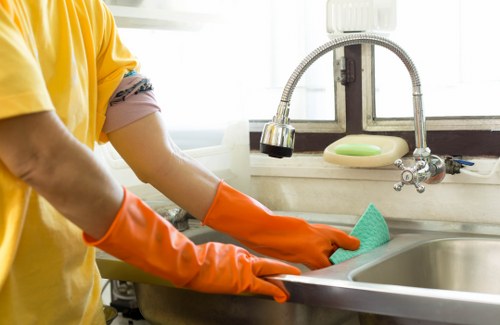
Domestic cleaners in London need to deliver more than a surface tidy. Our home cleaning service is designed around the day-to-day realities of busy properties, with attention to kitchens, bathrooms, living rooms, hallways and the detail work that shapes how a home feels. We focus on practical cleaning tasks that help keep regular upkeep manageable, whether you need a one-off visit or recurring support tailored to the rooms that matter most.
We work across homes of different sizes and layouts, handling routine dusting, vacuuming, mopping, wiping and sanitising as part of a sensible cleaning plan. Where a deeper reset is needed, deep cleaning can address the corners, fixtures and harder-to-reach areas that are often missed in lighter maintenance visits. The aim is straightforward: a cleaner, fresher home and a service that can be adapted to the property rather than forcing the property to fit the service.
If you are comparing options for regular domestic cleaning, start by thinking about the rooms that need the most attention and the surfaces that see the heaviest use. A clear brief helps us focus on what matters and keeps the visit efficient. Request a quotation when you are ready and we can discuss the work in plain terms.
Regular home cleaning that stays focused on the essentials
Regular home cleaning works best when it is consistent and practical. That usually means covering the most-used spaces properly instead of trying to do everything in a rushed way. We can clean floors, worktops, sinks, taps, skirting boards, switches, mirrors and other everyday touchpoints, while keeping an eye on the small details that make rooms look finished. For many households, dependable maintenance is more valuable than a long list of extras.
Our approach to domestic cleaning is built around normal household use, so the cleaning plan can follow your priorities. Some homes need an emphasis on kitchens and bathrooms, while others need more attention to living areas, stairs or bedrooms. That flexibility matters because no two properties collect dust and marks in quite the same way. It also helps keep the service realistic, so the work is clear before it begins and the results are easier to judge afterwards.
Typical regular cleaning tasks may include:
- vacuuming and floor care across living spaces
- dusting accessible surfaces and household fittings
- wiping kitchen and bathroom surfaces
- light cleaning of internal glass and mirrors
- tidying visible marks and everyday grime
One-off visits and seasonal resets

Some homes need a more thorough clean at specific times rather than a standing arrangement. A one-off visit can be useful before guests arrive, after a period of neglect, or simply when the property needs a careful reset. One-off cleaning is especially suited to homes where routine upkeep has slipped and the most important task is to restore order room by room without overcomplicating the job.
Spring cleaning is another way to approach a broader refresh. It usually goes beyond the obvious touchpoints and gives more time to areas that are often postponed in normal weekly routines. That can include door frames, behind furniture where reachable, high-touch fittings and the kind of accumulated dust that builds slowly. A seasonal clean does not need to be dramatic to be worthwhile; it just needs to be thorough and well organised.
When a visit is intended to do more than basic maintenance, it helps to be clear about the rooms involved and the areas that matter most. If there are surfaces that need extra care, or particular spaces that should be left out, those details can be built into the plan. Clear priorities make it easier to match the work to the time available, especially where a property has several different finish levels or mixed flooring.
Kitchen and bathroom cleaning where detail matters
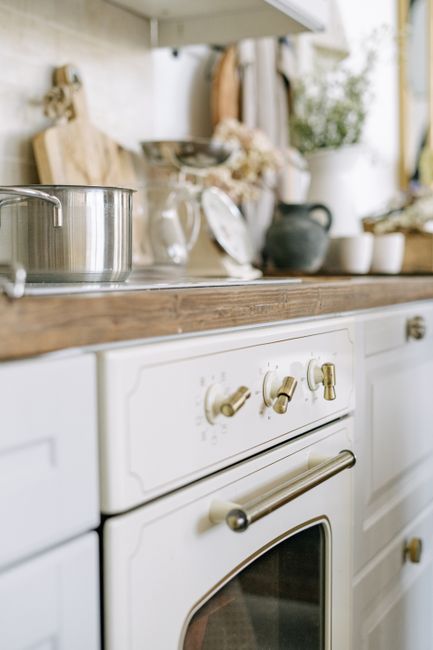
Kitchens and bathrooms usually need the most disciplined attention because they combine moisture, grease, soap residue and regular contact. Our kitchen cleaning covers common problem areas such as worktops, splashbacks, cupboard fronts, sinks and external appliance surfaces. The aim is to leave the room hygienic and presentable without treating every kitchen like an identical template, because the right method depends on the materials and the condition of the surfaces.
For bathrooms, bathroom cleaning focuses on taps, basins, toilets, tiles, shower screens, tubs and other fittings that are prone to limescale and residue. Good bathroom cleaning is not only about shine; it also means dealing carefully with the build-up that can make a room feel tired. In both rooms, sensible product choice and correct technique matter, particularly on delicate finishes and fittings that can be damaged by overly aggressive cleaning.
If you want these rooms included in a broader domestic visit, it is usually best to identify any stubborn marks or special materials in advance. That allows us to decide whether standard maintenance is enough or whether a more intensive clean would be better suited. The result is a cleaner room and a service that feels shaped around the actual condition of the property rather than assumptions.
Carpets, upholstery and floor surfaces

Many homes need more than dusting and wiping. Soft furnishings and floor coverings can hold on to dirt that is not visible at first glance, so they often benefit from specialist attention. Carpet cleaning is useful where fibres have absorbed everyday grime, foot traffic marks or odours, and it can help improve the overall look of rooms that otherwise seem clean. The most appropriate method depends on the fibre type, the condition of the carpet and how much moisture it can safely handle.
For sofas, chairs and other upholstered items, upholstery cleaning can help refresh fabric surfaces and reduce the dullness that develops over time. We also work with other fabric-based items through rug cleaning, which is particularly helpful where rugs have decorative value or delicate construction. If the property has hard floors, hard floor cleaning can support a cleaner finish on surfaces that need the right balance of washing, agitation and care.
These services are best chosen with the material in mind rather than the room name alone. A heavily used hallway rug, for example, may need a different treatment from a living-room carpet or a textured armchair cover. If you are unsure what is suitable, it is sensible to describe the item, the fabric and any visible staining so the work can be matched to the right method.
Internal links to specialist cleaning services
Specialist tasks often sit alongside domestic cleaning rather than replacing it. If you need a more targeted approach, services such as oven cleaning can deal with burnt-on grease and internal residue that ordinary kitchen wiping does not remove. In similar fashion, window cleaning helps restore clarity to glass, frames and accessible surfaces so the rooms themselves benefit from better light and a tidier appearance.
For homes that need a more comprehensive reset, it can help to combine several related services. After builders cleaning is suited to dust and debris left by renovation work, while end of tenancy cleaning is designed for properties that need a detailed handover-level clean. These are different jobs with different priorities, so the choice depends on the state of the property and the standard you need to reach.
Other useful options include house cleaning and home cleaning, which help position the work around the whole property rather than a single room. Where you need to compare service types, it is worth looking at the specific pages rather than assuming one label covers everything. Task-led planning keeps the scope sensible and makes the quotation conversation more precise.
What affects the scope of a domestic clean
Every house clean is shaped by a few practical factors. The number of rooms, the current condition of the property, the level of build-up and the mix of surfaces all influence the time and effort needed. A compact flat with regular upkeep is very different from a larger home that has not been cleaned for some time. That is why a thoughtful quotation should focus on the actual work involved rather than a vague promise to cover everything.
Access, parking, layout and any fragile finishes can also affect planning, especially where the property includes more than one floor or a mix of carpet, tile, wood and fabric. If there are areas that require lighter treatment, or rooms that should be excluded, those details help shape a cleaner and more accurate scope. If you want to compare options, our pricing and quotes page explains how to approach the request.
It also helps to decide whether the clean is intended to maintain a property, restore it, or support a move or event. Those three goals usually call for different levels of detail. A sensible quote reflects that difference and avoids paying for work that is not needed. Accuracy in the brief is often more valuable than simply asking for the widest possible service.
About London
London is a large and historically layered city shaped by the River Thames, successive periods of urban growth and a dense mixture of districts that still retain distinct identities. The City of London, Westminster and the South Bank sit within a wider metropolis whose streets range from medieval lanes to broad Victorian avenues and modern business quarters. Major landmarks such as the Houses of Parliament, St Paul’s Cathedral, the Tower of London and the British Museum sit alongside parks, squares, markets and transport hubs that give the capital its varied character. The river itself remains a defining presence, crossed by many bridges and followed by paths, embankments and redevelopment zones that reflect different eras of the city’s development.
Why a structured clean works better than a rushed tidy

A structured clean is easier to trust because it follows a sensible order. Dusting before wiping, wiping before floor care and paying attention to edges and fixtures all create a more complete finish than moving randomly from room to room. This is particularly useful in family homes and shared households, where a well-planned visit can support day-to-day life without interrupting it. The benefit is not only appearance; a cleaner layout often feels easier to maintain between visits.
We also keep a practical eye on the cleaning sequence so that rooms do not need to be revisited unnecessarily. That means handling surfaces in a way that reduces streaks, avoids spreading dirt and gives better results on materials that require a gentler touch. In a kitchen, for instance, wiping high areas before lower ones prevents debris falling onto fresh work. In a bathroom, product choice and dwell time matter just as much as scrubbing.
If you are arranging support for a property with mixed needs, it is usually wise to separate the essentials from the nice-to-haves. That keeps the visit realistic and helps preserve quality across the rooms that matter most. It also leaves room for extra tasks to be added later if the first clean shows that more attention would be useful.
Preparing a clear quotation request
When you ask for a quotation, the most useful information is factual and specific. A short description of the property type, the rooms that need cleaning, the surfaces involved and any particular concerns will usually be enough to start the conversation. You do not need to produce a perfect inventory, but a sensible overview helps avoid guesswork. If certain items should not be touched, that is worth mentioning too, especially in homes with delicate fittings or personal belongings left in place.
If there are stains, heavy limescale, grease build-up or areas that need extra attention, it helps to say so plainly rather than leaving them for the visit itself. That allows the scope to be matched to the actual condition of the property and reduces the chance of confusion. A clear quotation request should read like a practical instruction, not a sales pitch. If you are ready to move ahead, contact us and ask for a quotation that reflects the work you need.
Our aim is to keep the process straightforward: define the rooms, set the priorities, and agree the service before the work begins. Simple instructions are often enough to produce a much more accurate price and a cleaner result. If you prefer to plan in stages, start with the most important rooms and add the rest once the scope is clear.
Domestic cleaning options for different household routines

Different households need different rhythms. Some people want a regular clean that keeps the home consistently presentable, while others need support at key points in the month or year. Our domestic cleaning can be adapted to either approach, with the level of detail set around the home’s condition and the rooms you want to prioritise. That makes it suitable for people who want dependable upkeep as well as those who only need occasional help.
Where recurring support is preferred, the task list can stay focused on the essentials so the service remains efficient. Where the home needs a more intensive clean, the scope can be widened to include deeper attention in the kitchen, bathrooms, floors and accessible surfaces. The important thing is that the service reflects the property as it is now, not as it might appear in a generic checklist. That is what gives the quotation and the end result real value.
For a home that needs a little more than routine maintenance, compare the relevant service pages, decide which areas matter most and then request a quotation when you are ready. A clear brief leads to a cleaner plan, and a cleaner plan leads to a better finished home.