Health and Safety Policy for Domestic Cleaners
This document sets out a clear, practical health and safety policy for domestic cleaners and home cleaning teams working in private residences. It explains responsibilities, safe working practices, and basic controls to reduce risk. The policy applies to all domestic cleaning staff, including agency workers and freelance house cleaners, and is designed to promote safe, consistent work without over-reliance on local legal detail. It is written so that cleaning professionals can follow straightforward steps to protect themselves and occupants.Scope and Responsibilities
This policy covers routine cleaning, specialist cleaning tasks, use of cleaning chemicals, manual handling, equipment operation and waste management in domestic settings. Employers and lead supervisors must ensure that every residential cleaning operative understands their duties. Each domestic cleaner should know who to report hazards to and what to do in an incident. The policy emphasizes shared responsibility: managers provide training, staff follow safe systems, and households cooperate to reduce hazards.
Risk Assessment and Hazard Control
A simple risk assessment should be carried out before work starts. Key hazards to identify include slippery floors, hazardous substances, awkward manual handling, electrical equipment, and lone working risks. Controls should follow the hierarchy of risk control and include:- Substitution ??? use less hazardous products where possible;
- Engineering ??? maintain equipment to prevent faults;
- Administrative ??? schedule tasks to avoid lone working where practical;
- Personal Protective Equipment ??? provide gloves, eye protection, and appropriate footwear.
Training, Supervision and Personal Protective Equipment
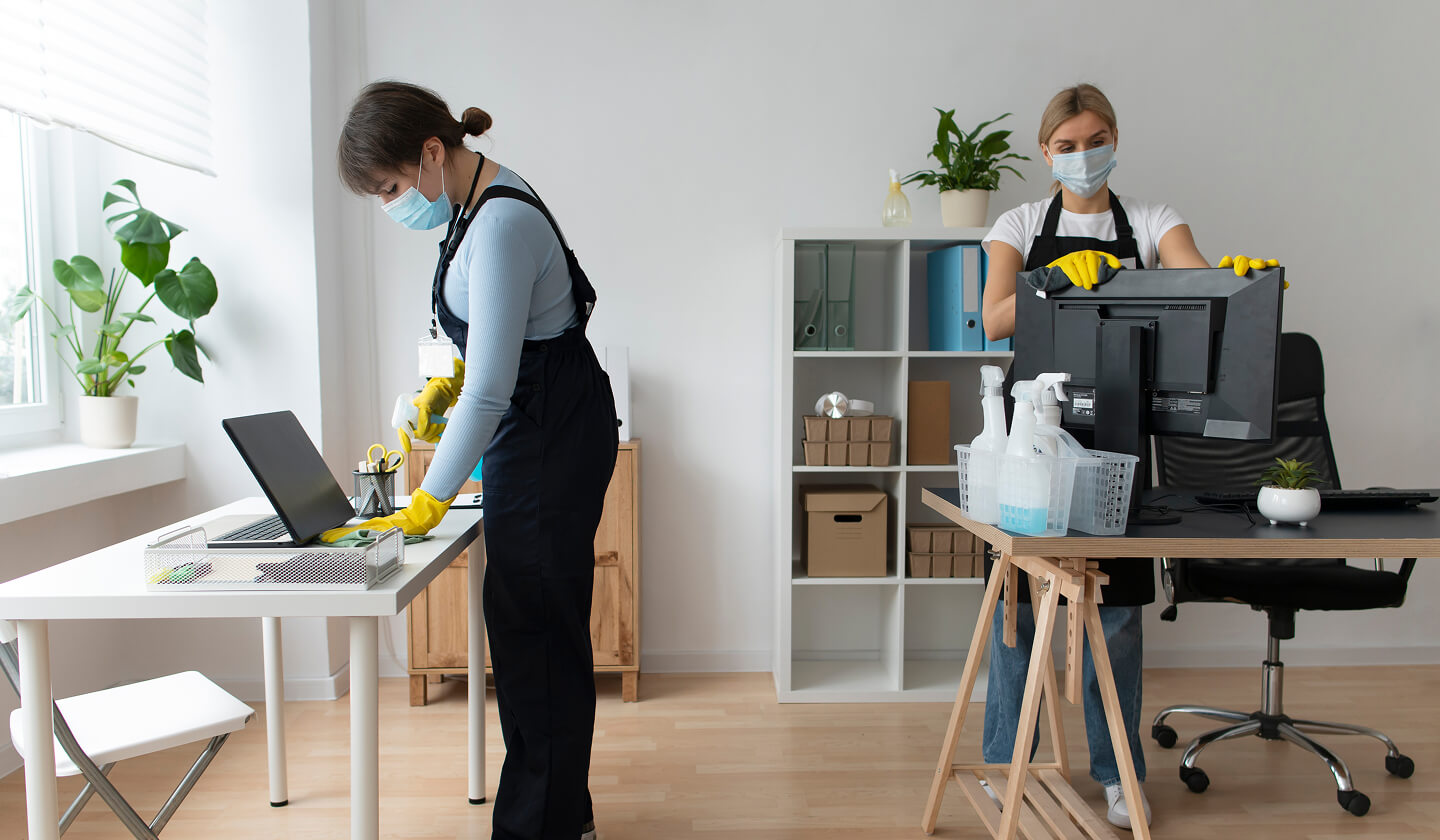
All house cleaners should receive induction training that covers safe use of cleaning products, machine operation, and emergency procedures. Supervision must be proportionate to risk: new or inexperienced residential cleaning staff should have closer oversight. Employers must provide appropriate PPE and ensure it fits and is used correctly. Provide guidance on replacing disposable items and cleaning reusable PPE to prevent cross-contamination.
Safe Handling of Chemicals and Materials
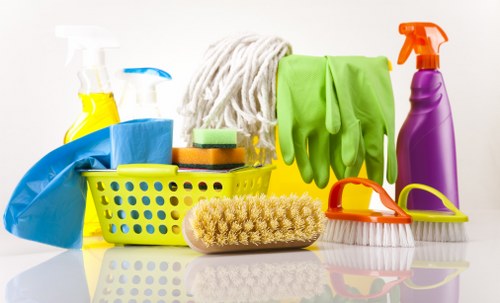
Many cleaning tasks involve chemical products. Use manufacturer instructions, keep products in original containers, and avoid mixing detergents and bleaches. Where concentrated substances are used, provide training on dilution and safe handling. Keep a simple inventory of hazardous substances and ensure Material Safety Data Sheets (MSDS) or equivalent information is available. Encourage the use of milder alternatives for routine cleaning to reduce exposure for domestic cleaning operatives and residents.Manual handling and ergonomics: teach safe lifting techniques and encourage the use of equipment like lightweight vacuum cleaners and trolleys to reduce strain. Rotate tasks to avoid repetitive strain injuries. Ensure good housekeeping to prevent tripping hazards and store equipment safely after use.
Infection Control, Waste and Electrical Safety
Infection prevention is essential for home cleaners, particularly when dealing with bathrooms, kitchens or when caring for vulnerable people. Use disposable cloths or implement clear color-coded systems. Dispose of clinical or contaminated waste safely and separately where necessary. For electrical safety, visually inspect cords and plugs before use, never use damaged appliances, and report defects immediately. Portable appliance testing regimes should be considered by employers for any frequently used equipment.![A close-up of a clean kitchen countertop with a person's hand wearing a bright yellow rubber glove, giving a thumbs-up gesture. In the background, there is a clear spray bottle filled with blue cleaning solution and a blue cleaning cloth resting on the surface. The kitchen features a light-colored tiled backsplash, a stainless steel sink with a silver faucet, and a smooth, light-colored countertop made of laminate or solid surface material. The scene suggests a professional cleaning environment, highlighting attention to hygiene and cleanliness, typical for domestic or commercial cleaning services in the UK, including areas like [POSTCODE] or [TOWN], as provided by Domestic Cleaners' cleaning team.](/pub/_photos/cleaning/f1435009232.jpg)
Lone Working, Working at Height and Slips
Many house cleaning tasks involve lone working or working at low heights (e.g., using step stools). Implement simple lone worker checks such as scheduled check-ins, mobile phone protocols and clear procedures for addressing missed check-ins. Use stable platforms, avoid overreaching, and follow safe step-stool techniques. To control slips and trips, clean up spills promptly, mark wet floors where occupants are present and advise householders of residual risks during and after cleaning.![A close-up view of a modern bathroom sink with a chrome single-lever mixer tap situated on a white ceramic basin. A person wearing a yellow rubber glove is cleaning the sink surface with a yellow cloth, focusing on wiping the basin, which appears clean and well-maintained. The sink is installed against a light-colored, possibly marble-tiled, wall with a visible reflection of the tap and the hand in the mirror above. The bathroom environment is bright, suggesting natural or ample artificial lighting, and the overall scene emphasizes attention to hygiene and cleanliness, relevant to professional domestic cleaning services in the [POSTCODE] area near [TOWN]. The focus is on detailed surface cleaning, typical of residential or commercial bathroom maintenance, and highlights the professionalism of cleaning providers like Domestic Cleaners.](/pub/_photos/cleaning/f3382558720.jpg)