Guide to safe upholstery cleaning for delicate fabrics UK
If you have a silk chair, a wool blend sofa, or a favourite armchair that has seen a few too many tea spills, you already know the tension: you want it clean, but you really do not want to ruin the fabric. That is exactly where this Guide to safe upholstery cleaning for delicate fabrics UK comes in. The aim is simple: help you clean gently, avoid expensive mistakes, and keep your furniture looking good for longer.
Delicate upholstery is not the place for guesswork. One wrong product, too much water, or a bit of overzealous scrubbing can leave water marks, pile distortion, colour bleed, or shrinkage. A lot of the trouble starts with good intentions, to be fair. This guide walks you through how safe upholstery cleaning actually works, what each fabric type needs, and how to decide when DIY is sensible and when a professional clean is the calmer choice.
You will also find a practical checklist, a comparison of methods, common mistakes to avoid, and a real-world example that shows what careful cleaning looks like in practice. No fluff. Just the kind of advice you would want before touching a pale velvet sofa with a damp cloth.
Table of Contents
- Why safe upholstery cleaning matters
- How the cleaning process works
- Key benefits and practical advantages
- Who needs this guidance and when it makes sense
- Step-by-step guidance
- Expert tips for better results
- Common mistakes to avoid
- Tools, resources and recommendations
- Law, compliance, standards, and best practice
- Options, methods, and comparison table
- Case study or real-world example
- Practical checklist
- Conclusion
- Frequently asked questions
Why Guide to safe upholstery cleaning for delicate fabrics UK Matters
Delicate upholstery behaves differently from everyday hard-wearing fabric. That sounds obvious, but it is the bit people forget when the sofa starts looking grubby. A cotton polyester mix may tolerate a light spot clean. A silk blend, viscose velvet, or brushed chenille may not. Some fabrics are prone to water spotting, some flatten when agitated, and some react badly to alkaline detergents or heavy steam.
In the UK, furniture also tends to live through a strange mix of damp winters, heating cycles, muddy shoes, dogs by the radiator, and the occasional red wine disaster. That means upholstery collects soil, body oils, dust, and odours in a way you only really notice once the sunlight hits it at 3pm. If you clean too aggressively, you can make a small problem much worse. If you never clean it at all, dirt works its way deeper into fibres and becomes harder to remove later.
Safe upholstery cleaning matters because it protects both the appearance and the structure of the fabric. Delicate textiles can lose their finish, nap, or dye stability if you use the wrong technique. And once the finish is gone, there is no neat undo button. Honestly, furniture does not forgive the same way a tiled floor does.
A careful approach also matters for households with children, pets, allergies, or rental obligations. If you are preparing a room for guests, trying to keep a tenanted property presentable, or maintaining a cherished heirloom chair, the goal is not just cleanliness. It is preservation. That is the real point.
How Guide to safe upholstery cleaning for delicate fabrics UK Works
Safe upholstery cleaning starts long before any product touches the fabric. The process is basically a chain of decisions: identify the material, check the care label, test the treatment, choose the gentlest effective method, and dry it properly. That sounds a bit clinical, but in practice it is very simple.
The care label is your first clue. Many UK-made and imported upholstered items carry cleaning codes such as:
- W for water-based cleaning
- S for solvent-only cleaning
- WS or SW for either water or solvent-based methods
- X for vacuum only, meaning no liquid cleaning at all
Those codes are not decorative. They are the manufacturer's warning system. If a fabric says solvent-only, using a water-heavy cleaner may leave tide marks, dye migration, or stiff patches. If the label says X, even a "gentle" DIY spray can be enough to cause trouble.
For delicate fabrics, the method matters as much as the product. Low-moisture techniques, careful blotting, controlled application, and quick drying are usually safer than saturation. That is why professional upholstery cleaners often work in stages rather than spraying everything at once. They are not being fussy for fun. They are reducing risk.
The best cleaning approach usually depends on four things:
- the fabric fibre and weave
- the type of stain or soil
- the colour stability of the material
- how much moisture the item can tolerate
When these factors are understood, safe cleaning becomes much more predictable. Without them, you are mostly guessing.
Key Benefits and Practical Advantages
A careful upholstery cleaning routine gives you more than a nice-looking sofa. It helps preserve the item's lifespan, keeps the room feeling fresher, and reduces the likelihood of irreversible damage. That is not marketing talk, just the reality of textile care.
- Protects fragile fibres: Gentle methods help avoid fraying, matting, and crushed pile.
- Preserves colour: Light-touch cleaning reduces the risk of dye bleeding and patchiness.
- Controls odour: Dust, spills, and body oils can make a room smell stale even when it looks clean.
- Supports hygiene: Regular maintenance helps manage allergens and everyday grime.
- Saves money over time: Proper care can delay the need for reupholstery or replacement.
- Better for rental and shared homes: Furniture stays presentable without unnecessary wear.
There is also a quieter benefit: peace of mind. Once you know how to treat delicate fabric safely, you stop hovering over every tiny mark with panic. That alone is worth something. You can clean a coffee ring without feeling as though you are gambling with the sofa's future.
Who This Is For and When It Makes Sense
This guide is for anyone who owns upholstered furniture that cannot be treated like a standard washable cushion cover. If your sofa is velvet, silk blend, linen blend, wool mix, chenille, brushed cotton, or a mixed delicate textile, you should treat it with care. The same goes for antique chairs, formal dining seating, and decorative furniture with trims, piping, or unusual dyes.
It also makes sense for people who want to handle minor maintenance themselves before calling in help. For example, if there is a light surface mark, a bit of dust buildup, or a fresh spill that has not fully set, a calm DIY approach may be enough. If the item is heavily stained, badly watermarked, or chemically sensitive, professional cleaning is usually the safer route.
Here is a simple rule of thumb: if the fabric looks expensive, sentimental, or unpredictable, treat it like all three. That little voice in your head saying "maybe test a tiny patch first" is usually right.
It is especially useful for:
- homeowners wanting to refresh living room furniture
- renters trying to keep a property in good condition
- landlords and letting agents managing staged or furnished homes
- families with pets or children
- people with allergy concerns who want cleaner soft furnishings
- anyone with a statement sofa they would rather not risk
Step-by-Step Guidance
Below is a practical, safe approach you can follow for many delicate upholstery items. Always check the care label first. If the label says not to use liquid, stop there and choose vacuuming or a specialist instead.
1. Identify the fabric and the cleaning code
Look for the manufacturer's label, usually under cushions or on the underside of the frame. Note whether it says W, S, WS, or X. If the label is missing, assume the fabric is delicate and proceed cautiously.
2. Vacuum gently first
Use a soft upholstery attachment and a low-suction setting if available. Remove dust, crumbs, pet hair, and loose grit before using any cleaner. This matters more than people think. Rubbing dirt into the fabric is how tiny marks become bigger headaches.
3. Test in an inconspicuous spot
Choose a hidden area such as the back edge, under a cushion, or the lower rear panel. Apply a very small amount of the chosen cleaner and wait for the area to dry fully. Check for colour change, texture change, or stiffening. If anything looks off, do not continue.
4. Use the lightest effective cleaning method
For water-safe fabrics, use a lightly damp cloth or a small amount of approved upholstery cleaner. Blot, do not scrub. For solvent-only fabrics, use the recommended dry-cleaning style method or a product designed for the label type. For very delicate fabrics, less is more. Much less.
5. Work from the outside of the stain inward
This helps stop the mark from spreading. Apply cleaner sparingly and use a clean, white cloth to blot. Avoid coloured cloths that may transfer dye. If the stain is fresh, lift as much as possible before cleaning. If it is oily, you may need a suitable grease-lifting product, but only if the fabric allows it.
6. Do not oversaturate the fabric
Delicate upholstery hates excess moisture. Water can travel beyond the stain, leaving rings or stretching fibres. If you can see the fabric getting wet rather than simply damp, you are probably using too much.
7. Dry carefully and evenly
Open windows if the weather allows, use gentle air movement, and let the fabric dry naturally. Avoid direct heat from hairdryers or radiators. In a damp UK house, this stage can take a while, especially in winter. Patience here saves problems later.
8. Restore the nap or texture if needed
Some fabrics, such as velvet or brushed finishes, may look flat after cleaning. Once fully dry, a soft upholstery brush can help lift the fibres again. Use a light touch. If the pile looks crushed or patchy, do not keep brushing harder; that is usually how a small issue becomes obvious.
Expert Tips for Better Results
After cleaning plenty of upholstered pieces, one thing becomes clear: the best results usually come from restraint, not effort. That sounds almost too simple, but it is true.
- Start with dry soil removal: Vacuum thoroughly before any wet treatment.
- Use white cloths: They reduce the risk of colour transfer, and you can see what is being lifted.
- Work in small sections: It is easier to control moisture and spot changes early.
- Blot instead of rubbing: Rubbing can distort fibres and push staining deeper.
- Keep products minimal: More detergent does not mean more cleaning. Sometimes it means more residue.
- Control drying time: Faster drying often means fewer water marks and less odour.
One practical tip many people miss: after spot cleaning, step back and look at the whole panel, not just the mark. Sometimes the stain is gone but the cleaned area is now slightly cleaner than the rest, which can look like a patch in certain light. A fabric that looks fine at 9am can reveal everything by late afternoon when the light hits the room sideways.
Another quiet truth: if a cleaner smells very strong, that does not automatically mean it works better. On delicate textiles, strong fragrance can be a distraction and, in some cases, a sign of residue-heavy formulae. Simpler is usually safer.
Common Mistakes to Avoid
A lot of upholstery damage happens in a rush. Someone notices a stain and immediately grabs the nearest spray. That is understandable, but not ideal. Here are the missteps that cause the most grief.
- Skipping the care label: This is the big one. It tells you what the fabric can tolerate.
- Using too much water: Delicate fabrics can spot, warp, or shrink.
- Scrubbing hard: It can rough up fibres and spread stains.
- Using bleach or harsh household chemicals: These can strip dye or weaken the textile.
- Cleaning only the stain: This can leave a visible clean patch around the mark.
- Applying heat too soon: Heat can set stains or distort synthetic blends.
- Ignoring drying time: Damp upholstery can smell musty and attract further dirt.
People also forget that not every mark is a stain. Sometimes it is a change in pile direction, light reflection, or wear pattern. I have seen homeowners panic over a "dirty patch" that was actually just the velvet nap lying the other way. Slightly embarrassing, but very normal. Upholstery is sneaky like that.
Tools, Resources and Recommendations
You do not need a truckload of equipment to clean delicate upholstery safely. In fact, the most useful kit is small and controlled.
- Vacuum with upholstery attachment: Essential for dry soil removal.
- Soft microfibre cloths: Good for blotting and gentle application.
- White cotton cloths: Useful for testing and lifting moisture.
- Soft upholstery brush: Helpful for restoring texture after drying.
- Fabric-safe spot cleaner: Only use one that suits the care code.
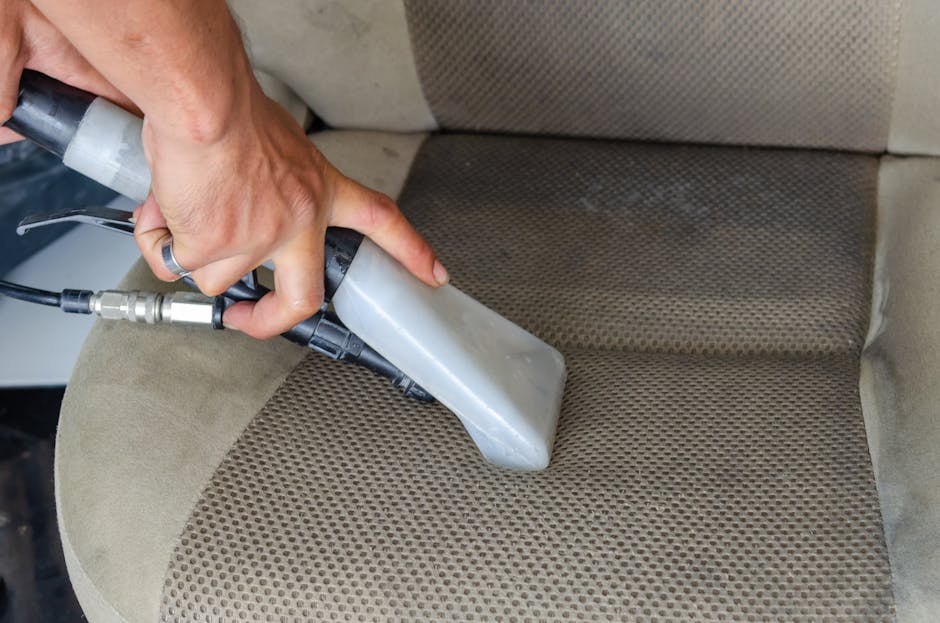
- Low-moisture extractor or specialist machine: Often better handled by trained cleaners, especially for delicate pieces.
If you are comparing furniture care alongside other home maintenance, it can help to think of upholstery as part of a broader cleaning routine rather than a one-off rescue job. Many households pair it with services such as deep cleaning, carpet cleaning, or a broader home cleaning service when they want the whole room refreshed properly.
For sofas specifically, a dedicated upholstery cleaning approach is usually safer than treating the item like a carpet. The fibres, dye behaviour, and drying needs are different. You may also find a specialised sofa cleaner or an experienced upholstery cleaner useful if the material is especially delicate or high-value.
For small marks, a targeted spot cleaner may help, but only if it is compatible with the fabric code. If you are unsure, do not wing it. That is where people get into trouble, and then the room smells faintly of panic and detergent. Not ideal.
Law, Compliance, Standards, and Best Practice
For domestic upholstery cleaning in the UK, there is usually no special legal permission needed to clean your own furniture. The main concern is safety, product use, and following manufacturer guidance. If you hire a professional service, you should expect them to work with sensible health and safety practices, especially around chemicals, equipment, and electrical appliances.
Best practice is to follow the fabric care label, the cleaner's instructions, and a cautious testing approach. If a product is used in a home with children, pets, or anyone with sensitivities, it should be handled carefully and dried properly before normal use resumes. Stronger chemicals should never be used casually on delicate textiles. That much is common sense, but it is worth saying plainly.
Good providers also tend to carry appropriate insurance and follow documented safety procedures. If you are choosing a cleaning company, it is reasonable to ask about their methods, what fabric codes they work with, and how they handle delicate or antique upholstery. It is your sofa, after all. You are allowed to ask proper questions.
There is also a sustainability angle worth noting. Delicate-fabric cleaning works best when waste is kept low and only the minimum necessary product is used. Choosing a careful method can reduce water use, chemical use, and avoid replacing furniture too early. For some households, that matters just as much as the appearance.
For service transparency, some companies publish information on pricing and quotes, health and safety policy, and insurance and safety. Those pages are helpful because they give you a feel for how the company works before anyone steps through the door.
Options, Methods, and Comparison Table
There is no one-size-fits-all solution for delicate upholstery. The safest choice depends on the fabric, stain type, and how much risk you are willing to take. Here is a clear comparison of common approaches.
| Method | Best for | Pros | Risks or limits |
|---|---|---|---|
| Vacuuming and dry brushing | Routine maintenance, dust, pet hair | Very low risk, suitable for most delicate fabrics | Will not remove set stains or deep odours |
| Light blot cleaning with water-safe product | W-marked fabrics, fresh light stains | Simple, affordable, effective on minor marks | Risk of water rings if overused |
| Solvent-based spot treatment | S-marked fabrics, oily marks | Useful on fabrics that reject water | Must be matched carefully to the fabric and product guidance |
| Low-moisture professional cleaning | Delicate or valuable upholstery | Safer control, better stain management, less saturation | Usually costs more than DIY |
| Steam cleaning | Some sturdy upholstery only | Can refresh and sanitise suitable fabrics | Often unsuitable for delicate textiles; may distort or over-wet fabric |
Truth be told, steam cleaning gets recommended far too casually in everyday conversation. It is useful in the right context, but on delicate fabric it can be the wrong answer entirely. A "powerful" method is not automatically a "better" one.
Case Study or Real-World Example
A common real-world scenario goes like this: a cream velvet sofa in a family living room develops a faint tea mark and a dull patch where the seat gets the most use. The owner is tempted to spray a general upholstery product and scrub until it looks better. Instead, a safer process is followed.
First, the fabric label is checked and the item is confirmed as water-sensitive. The sofa is vacuumed with a soft attachment to remove dust and grit. A tiny test patch is treated with a suitable product in a hidden spot. No colour transfer appears after drying, so the cleaner uses a small amount of product on the mark itself, blotting carefully with a white cloth rather than rubbing.
The area is left to dry naturally with a window open and gentle air movement. Once dry, the nap is lightly lifted with a soft brush to even out the texture. The tea mark is reduced, and more importantly, the sofa does not end up with a tide ring or a stiff patch. That is the sort of result you want: not dramatic, just calm and clean.
In a slightly different case, a silk-blend accent chair with an X-code label would not be cleaned with liquid at all. The better choice would be vacuuming, dry maintenance, and a professional assessment if staining became a real problem. Sometimes the safest win is not using liquid in the first place.
Practical Checklist
Use this quick checklist before cleaning any delicate upholstered item:
- Check the care label and cleaning code.
- Identify the fabric type if the label is missing.
- Vacuum the item thoroughly using a soft attachment.
- Test any product on a hidden area first.
- Keep moisture low and controlled.
- Blot gently; do not scrub.
- Use clean white cloths to avoid dye transfer.
- Allow proper drying time with good airflow.
- Brush the pile lightly only when fully dry.
- Stop immediately if colour changes, spreading marks, or texture damage appear.
Practical summary: if the fabric is delicate, the safest cleaning method is usually the one that uses the least moisture, the mildest product, and the most patience. Sounds simple because it is. The hard part is resisting the urge to do more.
Conclusion
Delicate upholstery can look beautiful for years, but only if it is treated with the right kind of care. The smartest approach is measured, low-risk, and guided by the fabric itself rather than by habit or guesswork. Once you understand the care code, the fibre type, and the drying needs, safe cleaning becomes much less intimidating.
Whether you are trying to remove a fresh spill, maintain a much-loved sofa, or decide whether a professional clean is worth it, the same principle applies: start gently, test first, and avoid anything that forces the fabric to do more than it can handle. That way, you protect both the look of the furniture and the money already invested in it.
If your upholstery is valuable, sentimental, or simply awkward to clean, taking a cautious route is not overthinking. It is sensible. And a properly looked-after sofa can quietly improve the whole room, which is a nice feeling on a wet UK afternoon.
Get a free quote today and see how much you can save.
Sometimes the best home care is the kind that leaves no drama behind, just a cleaner chair and a bit more peace of mind.
Frequently Asked Questions
How do I know if my upholstery is safe to clean with water?
Check the manufacturer's care label first. A W code usually means water-based cleaning is suitable, while an S code means solvent-only. If you see X, avoid liquids altogether. If there is no label, test cautiously or speak to a specialist.
What is the safest way to clean delicate fabric at home?
Vacuum first, test any product in a hidden spot, and use the smallest amount of moisture possible. Blot rather than scrub, and let the fabric dry naturally. For very delicate textiles, dry maintenance is often safer than wet cleaning.
Can I use a steam cleaner on velvet or silk-blend upholstery?
Usually not without checking the care instructions very carefully. Steam can over-wet, flatten pile, or distort delicate fibres. Some sturdy fabrics may handle it, but delicate materials often need a gentler approach.
Why did my fabric get a water mark after cleaning?
Water marks often happen when moisture spreads unevenly or when the fabric dries at different rates. They are more common on delicate fabrics and can be made worse by over-wetting or using too much product.
Is professional upholstery cleaning worth it for delicate fabrics?
Yes, often it is. Professional cleaners are better equipped to identify fabric types, control moisture, and handle sensitive materials safely. If the item is expensive, antique, or easily damaged, professional help is usually the safer option.
How often should delicate upholstery be cleaned?
It depends on use, but regular vacuuming is a good habit and spot cleaning should only happen when needed. Full cleaning is best done when there is visible soil, odour, or a practical reason to refresh the item, rather than on a fixed schedule alone.
What should I do with a fresh spill on a delicate sofa?
Blot immediately with a clean white cloth, working from the outside in. Do not rub. Then check the care label before applying anything else. Fresh spills are easier to manage than set stains, so quick and calm action helps.
Can I use washing-up liquid on upholstery?
Not automatically. Some fabrics may tolerate a very mild solution, but many delicate materials do not respond well to household detergents. The wrong cleaner can leave residue or damage colour and texture, so always test first and follow the care code.
How do I stop delicate upholstery from smelling musty after cleaning?
Dry it thoroughly with good airflow. Open windows if possible, avoid heavy saturation, and do not put cushions back until everything is fully dry. Musty smells usually come from trapped moisture rather than from the fabric itself.
What kind of upholstery is hardest to clean safely?
Silk blends, viscose velvet, antique fabrics, and textiles with no clear cleaning label are often the most sensitive. Dark, deeply dyed, or textured fabrics can also show spotting or pile disturbance more easily than sturdier materials.
Should I clean one stain or the whole seat panel?
It depends on the mark and the fabric. Cleaning only a small patch can leave a visible contrast, especially on delicate textiles. Sometimes a broader, controlled clean of the whole panel gives a more even result.
When should I stop DIY cleaning and call a specialist?
If the stain does not lift quickly, the fabric starts changing colour, the pile looks damaged, or the care label is unclear, stop. That is usually the moment to bring in a professional rather than risk making the issue permanent.